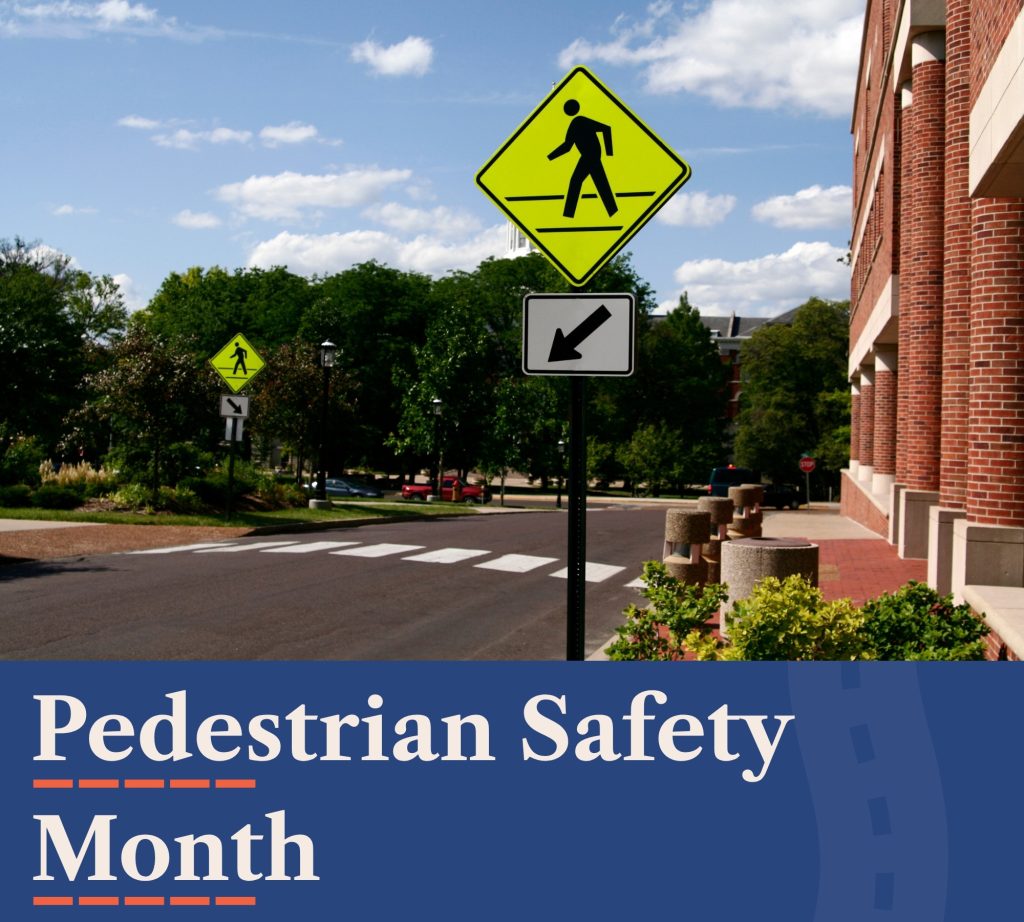
What Alberta Drivers Need to Know about Pedestrians in October
October is Pedestrian Safety Month, a reminder for drivers to: share the road with people on foot and a car offers no protection to the person outside it. In Alberta, failing to yield to a pedestrian in a crosswalk carries a $810 fine and 4 demerit points. With shorter daylight hours and more walking commuters this time of year, a few extra seconds of attention at every crosswalk goes a long way.
What Is Pedestrian Safety Month?
Pedestrian Safety Month takes place every October, drawing attention to the safety of pedestrians, cyclists and other “vulnerable road users” (which means, people who don’t have the protection of a vehicle around them). The timing matters: October brings earlier sunsets, more rain and early snow and kids walking to and from school in lower light, all of which raise the risk for people on foot.
Why Are Pedestrians More at Risk This Time of Year?
A few seasonal factors stack up at once in the fall:
- Less daylight means more commuting happens at dusk or after dark.
- Wet or icy conditions make it harder for both drivers and pedestrians to stop or react quickly.
- Back-to-school routines mean more kids walking or waiting near roads and crosswalks.
None of these are unusual on their own, but together they mean drivers need to be a little more alert than they were in July.
What Are Alberta Drivers’ Responsibilities at Crosswalks?
Alberta law requires drivers to yield to pedestrians who are in a crosswalk, marked or unmarked and to stop for pedestrians waiting at the curb edge who are clearly about to cross. This applies at intersections and at mid-block crosswalks alike. Failing to yield to a pedestrian in a crosswalk or passing a vehicle stopped for one, carries a $810 fine and 4 demerit points in Alberta.
Beyond the legal minimum, a few habits help:
- Scan ahead for pedestrians before you reach an intersection or crosswalk, not after.
- Slow down and be ready to stop, especially in residential areas and school zones.
- Watch for pedestrians when turning. It is a common blind spot since drivers are often focused on oncoming traffic rather than the crosswalk they’re turning across.
- Make eye contact with waiting pedestrians when possible, so both of you know what happens next.
How Big a Factor Is Driver Error in Pedestrian Collisions?
Historically, a large share of pedestrian collisions in Alberta have involved a driver failing to yield the right of way. It’s a reminder: “watching for pedestrians” isn’t a passive habit; it takes an active scan at every crosswalk, every time.
What Can Pedestrians Do to Stay Safer, too?
Safety goes both ways:
- Use sidewalks, corners and marked crossings whenever they’re available.
- Wear bright or reflective clothing in low light, a classic tip, but one which genuinely makes a difference once the sun sets earlier.
- Make eye contact with drivers before stepping off the curb, rather than assuming you’ve been seen.
- Stay alert near driveways and parking lot entrances, where drivers may not be watching for foot traffic.
Summary
Pedestrian Safety Month is really just a yearly nudge toward something which should be a habit all year: slowing down, scanning for people on foot and treating every crosswalk like someone might be about to use it. It costs a driver a few seconds. It can cost a pedestrian everything.
Frequently Asked Questions
What is Pedestrian Safety Month? An annual observance in October raising awareness about the safety of pedestrians, cyclists and other vulnerable road users, especially as daylight hours shorten.
What is the fine for not yielding to a pedestrian in a crosswalk in Alberta? $810 and 4 demerit points in Alberta.
Do drivers have to stop for pedestrians at crosswalks without traffic lights? Yes. Alberta law requires drivers to yield to pedestrians in both marked and unmarked crosswalks, including mid-block crossings.
Why are pedestrian collisions more common in the fall? Shorter daylight hours, wetter or icier roads and more kids walking to and from school all contribute to higher pedestrian risk in the fall.
What should drivers watch for most at crosswalks? Pedestrians who are about to cross or already crossing and specifically when turning which is a common blind spot since attention is often on oncoming traffic instead of the crosswalk itself.