Our office is closed on Wednesday, September 30 for Truth and Reconciliation Day. Regular hours resume on Thursday, October 1.

Why Wildlife makes Dawn and Dusk Driving Riskier in Fall
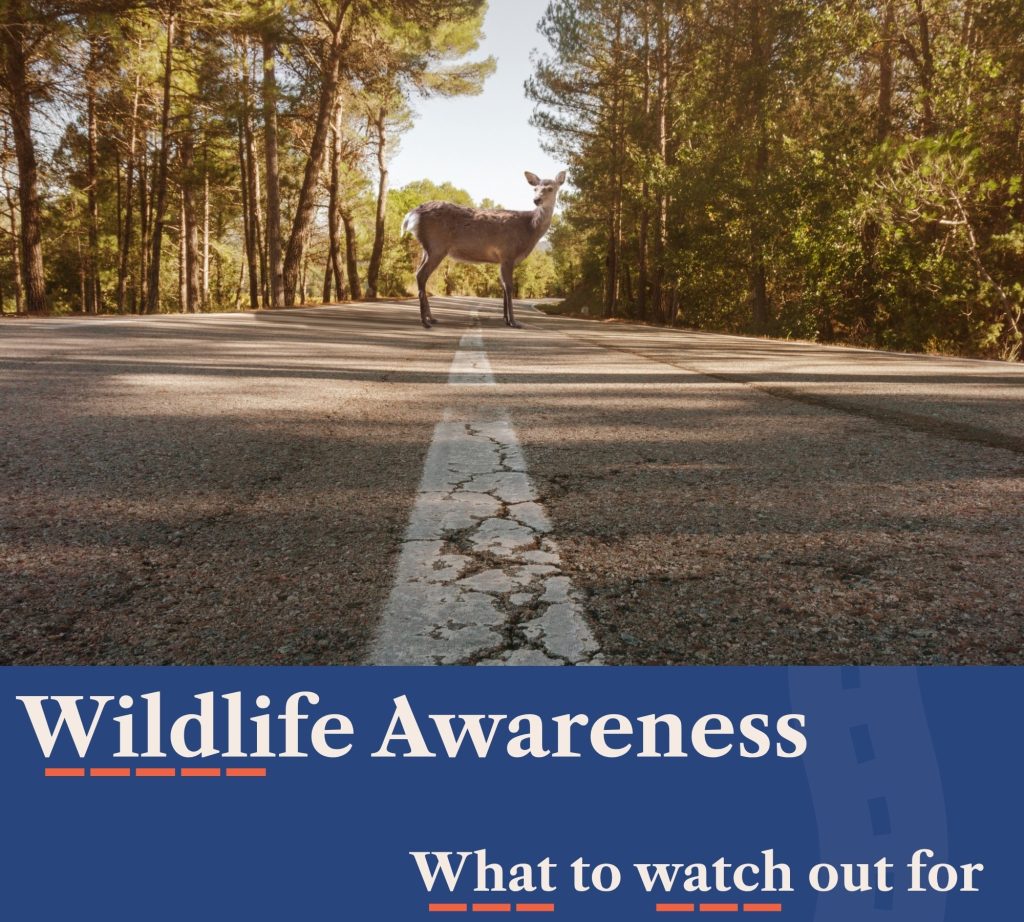
Deer and other wildlife are most active at dawn and dusk and their activity spikes further in the fall as mating season gets underway. In Alberta, November is the peak month for wildlife-vehicle collisions and about 80% of them involve deer. The biggest risk factors are speed, low light and driving through known wildlife corridors without scanning the roadside, all of which are easy to adjust for once you know to watch for them.
Why Dawn and Dusk Are the Riskiest Times to Drive
Deer, elk and moose are most active during the low-light hours around sunrise and sunset which is the same windows many Albertans are driving to or from work or school. Light levels drop fast during these periods, animals move more and drivers have less time to spot and react to movement near the roadside. As days get shorter heading into fall, more of the daily commute shifts into these higher-risk windows without drivers necessarily noticing the change.
Why Does Fall Make Wildlife Collisions More Likely?
Fall lines up several risk factors at once. Deer become significantly more active as mating season begins, increasing how often they’re near roads and how unpredictably they move. In Alberta specifically, November is the peak month for wildlife-vehicle collisions, according to the Alberta Motor Association (AMA), with deer involved in roughly 80% of them. Shorter daylight hours mean more of the morning and evening commute happens in dim light, compounding the seasonal increase in animal movement.
What Should Drivers Watch For?
A few specific things to scan for, beyond just “an animal on the road”:
- Shining eyes at night are often the first visible sign of an animal near the roadside, as headlights reflect off their eyes before you can see the animal itself.
- Movement along the shoulder or ditch, not just on the road surface itself.
- Roadside reflector posts which seem to disappear and reappear can indicate an animal is passing in front of them.
- Posted wildlife crossing signs, which mark known high-activity corridors, not just decorative warnings.
- Groups of animals. Deer in particular often travel and cross in small groups, if one crosses, more may follow.
Dawn and Dusk Driving Tips
- Slow down in posted wildlife areas. Lower speed gives you more time to react and shortens your stopping distance if something enters the road.
- Use high beams when it’s safe to do so and scan the road ahead with regular, quick glances rather than fixing your eyes straight ahead.
- Keep headlights and windshields clean. Reduced visibility from grime or glare cuts down your reaction time even further.
- Watch both shoulders, not just the road ahead. Wildlife often approaches from the side rather than appearing directly in your path.
- Ease off the gas in areas with treelines, fields or water nearby, these are common wildlife habitats close to roadways.
What Should I Do If an Animal Is on the Road?
If an animal appears suddenly and a collision looks unavoidable, the AMA’s guidance is clear: brake firmly and stay in your lane. Swerving to avoid an animal is a common cause of secondary collisions with oncoming traffic, a ditch or a fixed object and those crashes are often more severe than the original animal strike would have been. For a large animal like a moose or elk where stopping in time isn’t possible, aiming toward the animal’s hindquarters (rather than the direction it’s moving) can help reduce the severity of impact.
What Does a Wildlife Collision Actually Cost?
Beyond the immediate danger, wildlife-vehicle collisions carry a real financial cost. According to the Government of Alberta, animal-vehicle collisions cost Albertans approximately $300,000 a day in direct and indirect costs, including property damage, health care and highway cleanup. This figure is a strong reminder that the extra few seconds spent slowing down through a wildlife zone is a small trade-off against the cost, financial and otherwise, of a collision.
Frequently Asked Questions
Why are dawn and dusk the most dangerous times for wildlife collisions? Deer and other animals are naturally most active during low-light hours around sunrise and sunset, which also happen to overlap with common commuting times.
When is deer collision risk highest in Alberta? November is the peak month for wildlife-vehicle collisions in Alberta, according to the Alberta Motor Association, coinciding with deer mating season.
What percentage of Alberta wildlife collisions involve deer? Roughly 80%, according to AMA data.
Should I swerve to avoid a deer on the road? No. The recommended response is to brake firmly and stay in your lane. Swerving increases the risk of a secondary collision with another vehicle or a fixed object.
What should I do if I can’t stop in time for a large animal like a moose? If a collision seems unavoidable, aim toward the animal’s hindquarters rather than the direction it’s moving, which can help reduce the severity of the impact.
How much do wildlife-vehicle collisions cost Albertans? According to the Government of Alberta, animal-vehicle collisions cost Albertans approximately $300,000 a day in direct and indirect costs, including property damage, health care and highway cleanup.